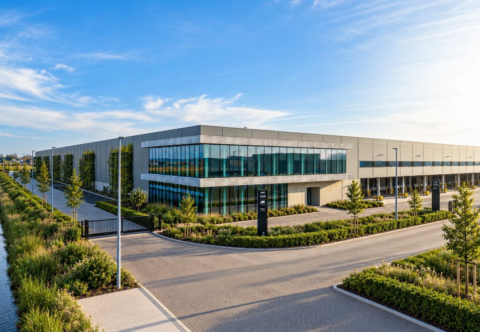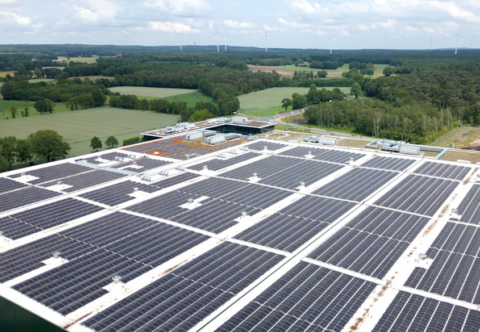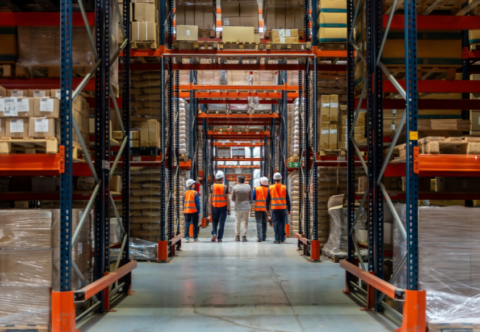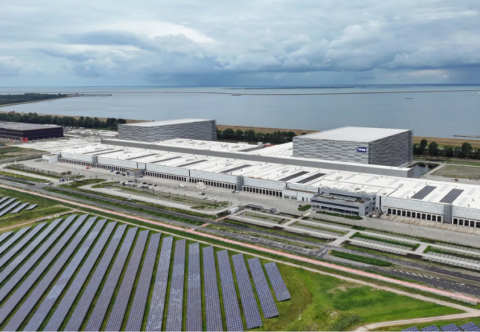
By building more compactly and higher, automated warehouses can reduce both CO₂ emissions can be reduced if energy consumption and floor space are reduced. The reduction in emissions can be as high as 25 per cent. Furthermore, automation means that new buildings are needed less frequently. This is according to recent research by, amongst others, ADEME, the French government agency for ecological transition, based on data from automation company Exotec.
Sustainability reports often focus on transport, packaging and travel. However, one major source of environmental impact is frequently overlooked: the warehouse itself. It is precisely here that logistics companies have a significant opportunity to substantially reduce their carbon footprint.
The conclusions are based on two separate studies into the environmental impact of warehouse automation. The first study was carried out by ADEME using data from Exotec and was published in June 2026. In the second study, the international management consultancy Argon & Co compared five different order-picking technologies across various scenarios.
Higher storage density
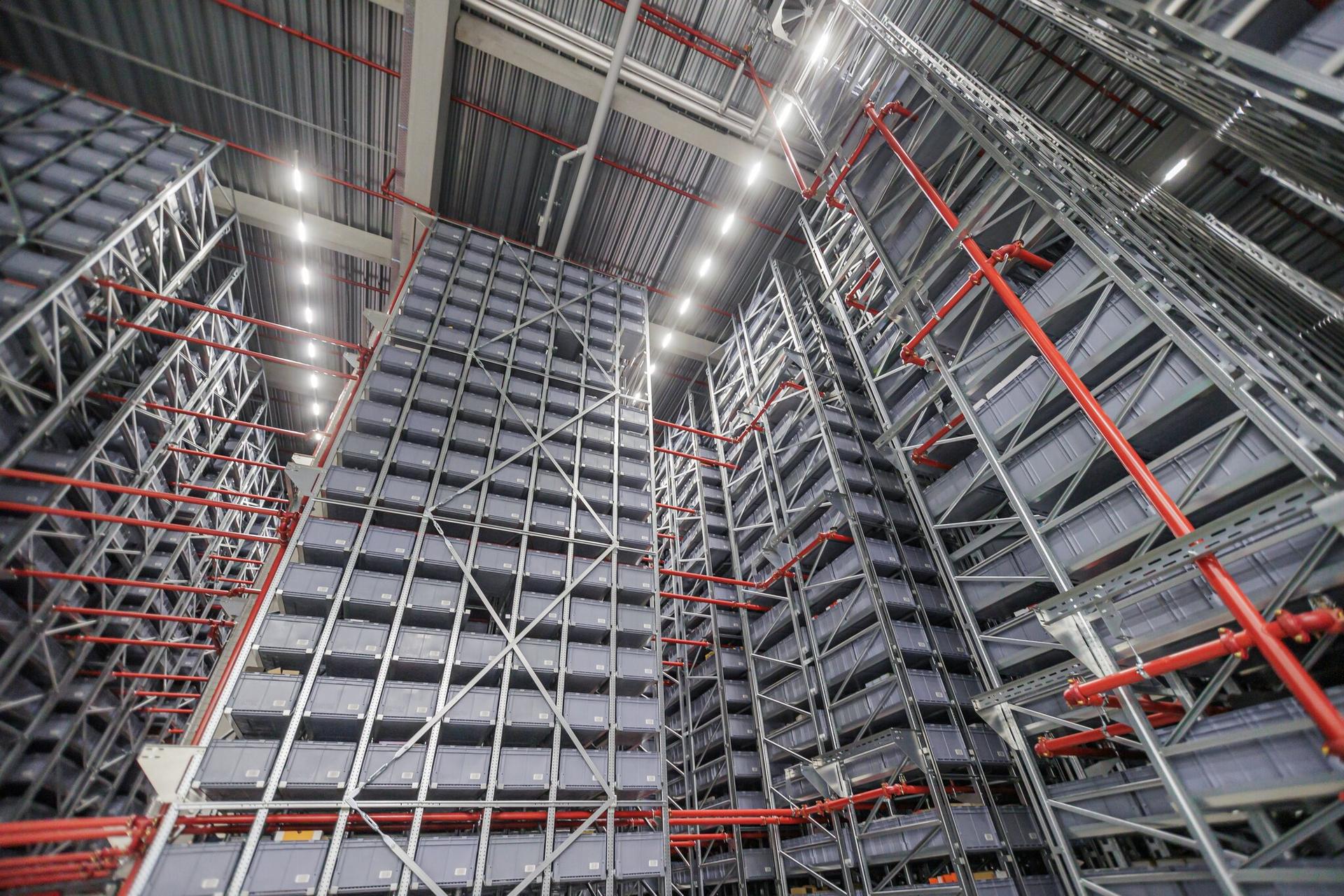
Both studies point to the same key conclusion: a warehouse’s environmental performance is largely determined by the building itself and its energy consumption. Higher storage density plays a key role in this: by making optimal use of the available space, the environmental impact can be significantly reduced.
“A smaller, more compact warehouse requires fewer building materials, takes up less floor space and needs less space to heat. That is where the greatest environmental benefit lies. Most of the energy consumed in a warehouse goes on heating, so if you build upwards rather than outwards, that significantly reduces the footprint,” says Andreas Stöckl, Sales Director Europe at Exotec.
40 per cent space savings
The study by Argon & Co explains why. An automated system can store goods more densely and at greater heights, requiring around 40 per cent less space than manual handling. A smaller building requires fewer building materials and less space to heat.
Although robotic systems do consume more electricity than manual equipment, the savings in areas such as floor space and heating can more than offset this. In some of the modelled scenarios from the study, the total CO₂ footprint falls by as much as 25 per cent.
Avoiding relocation
The studies reveal an important nuance here: a warehouse manager rarely bases decisions on floor space alone, but primarily on a specific performance level. How much needs to be stored and how quickly does it need to be dispatched?
The question is what these achievements cost, both in financial terms and in terms of CO₂. This is where automation can make a difference, because by storing goods more densely and at greater heights, the same capacity can be achieved in considerably less space. This enables businesses to avoid having to expand or move to a larger facility, including the emissions that such an expansion would entail.
Green steel
“This is still often overlooked. Automation isn’t just about reducing floor space to save room, but about getting the most out of every square metre you already have. That way, you can grow without building more, and that’s where the real environmental benefit lies,” says Andreas Stöckl.
According to Exotec, the research findings also highlight the importance of further reducing the environmental impact of automation itself. Among other things, the company is committed to using green steel, which consists of up to 80 per cent scrap metal and is produced in electric arc furnaces. According to Exotec, this can reduce the CO₂ footprint of a standard system by up to 30 per cent, which amounts to more than 600 tonnes of CO₂ equivalent per system sold.